 anypaypos









お探しのものを検索
すべてを検索製品ニュース
検索
Many supermarkets and fresh food retailers prepare products before they reach the main checkout counter. Fruit packages, bakery trays, meat portions, deli items and prepared food may be weighed and labeled in a dedicated work area.
A centralized labeling station can help the store keep product names, prices, barcodes and label formats consistent. The AI Touch Screen Label Scale LS1 is positioned for fresh food weighing, price labeling and supermarket product management.
When products are weighed only at the final cashier, every transaction involving fresh food can take longer. Pre-labeling allows employees to prepare items in advance, attach a barcode label and send the product to the standard checkout counter.
This workflow is useful for packaged fruit, bakery items, fresh meat, prepared dishes and other products that are portioned before sale. The main cashier can process the item by scanning the printed barcode instead of repeating the weighing process.
Centralized labeling can also reduce differences between departments. Rather than allowing each counter to create its own label format, the retailer can define approved templates for product name, weight, unit price, total price, barcode and production information.
The quality of a labeling system depends on the data behind it. Product descriptions should be consistent and easy for both staff and customers to understand. Prices need to be updated through an approved management process, especially when promotions or seasonal changes are introduced.
The LS1 can form part of this workflow by combining touch-screen operation, weighing and label printing. AI-assisted recognition can help operators locate the likely product more efficiently, but employees should still confirm the final selection before printing.
Stores should also decide who has permission to create or edit products. Central management can reduce accidental changes and help multi-store retailers maintain the same product codes across different locations.
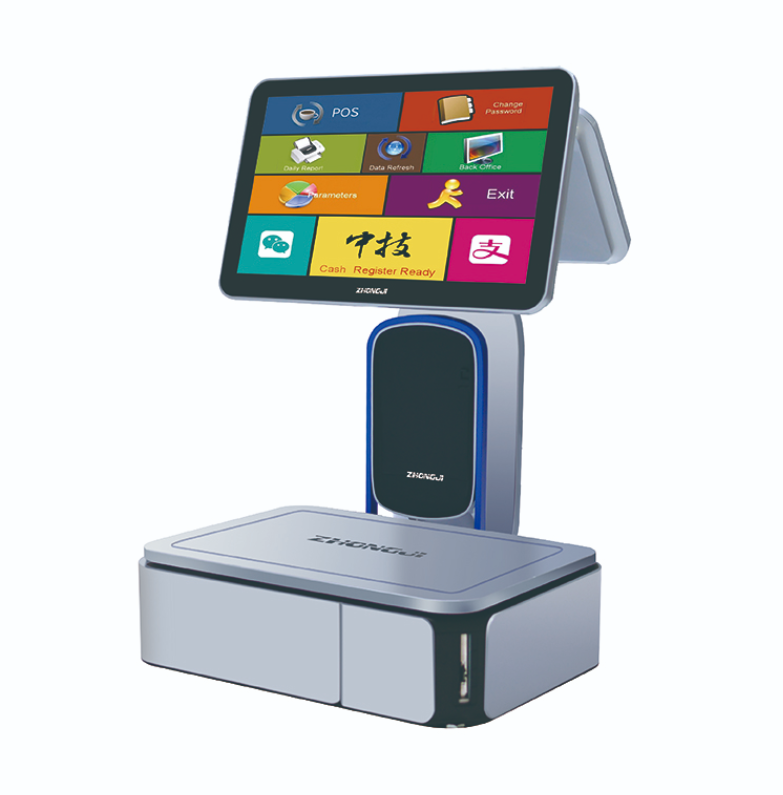
A centralized station must be designed according to daily production volume. A small fruit shop may need only one unit, while a supermarket may require separate stations for produce, bakery, meat and prepared food.
The work surface should provide enough room for empty packaging, finished products and label application. The operator should not need to move completed items back across the weighing area.
Retailers should keep label rolls and cleaning supplies nearby without blocking ventilation or access to the equipment. Regular checks should confirm weighing performance, printer condition and label alignment.
The LS1 can support a more organized fresh food preparation process by connecting weighing, product selection and label printing. The greatest benefit comes from standardizing product information and separating preparation work from final checkout, rather than simply replacing one conventional scale with a new device.
セルフサービス型広告キオスクは、現代の小売空間におけるプロモーションの注文や決済の体験を支援することができます。セルフサービス型広告キオスクは、情報を表示し、顧客の行動をサポートできるデジタルな接点を店舗に提供します。例えば...
詳細を見る
スマート小売レジシステムは、セルフサービスの拡大、自動化の進展、そしてより正確な商品認識へと進化しています。スマート小売レジは、POS端末、キオスク、AI搭載の計量器などのハードウェアを組み合わせ、さまざまな店舗形態に対応しています。購入者にとっては….
詳細を見る
AI POSスケールは、スーパーマーケットや生鮮食品小売店が、計量と精算を1つのプロセスに統合するのに役立ちます。AI POSスケールは、生鮮食品や重量商品、そして迅速な精算を同時に実現する必要がある場合に有用です。購入者がレジでの価格を比較する際…….
詳細を見る
小売プロジェクトの購入担当者は、タッチスクリーン式POS端末を選定する前に、画面デザイン、カウンターのレイアウト、スキャン要件、および決済ワークフローを比較検討する必要があります。タッチスクリーン式POS端末は、多くの小売プロジェクトにおいて日々の精算業務の中心となるため、...
詳細を見る