 anypaypos









RECHERCHEZ CE QUE VOUS VOULEZ
Rechercher dans tout le siteProduitActualités
RECHERCHE
Many supermarkets and fresh food retailers prepare products before they reach the main checkout counter. Fruit packages, bakery trays, meat portions, deli items and prepared food may be weighed and labeled in a dedicated work area.
A centralized labeling station can help the store keep product names, prices, barcodes and label formats consistent. The AI Touch Screen Label Scale LS1 is positioned for fresh food weighing, price labeling and supermarket product management.
When products are weighed only at the final cashier, every transaction involving fresh food can take longer. Pre-labeling allows employees to prepare items in advance, attach a barcode label and send the product to the standard checkout counter.
This workflow is useful for packaged fruit, bakery items, fresh meat, prepared dishes and other products that are portioned before sale. The main cashier can process the item by scanning the printed barcode instead of repeating the weighing process.
Centralized labeling can also reduce differences between departments. Rather than allowing each counter to create its own label format, the retailer can define approved templates for product name, weight, unit price, total price, barcode and production information.
The quality of a labeling system depends on the data behind it. Product descriptions should be consistent and easy for both staff and customers to understand. Prices need to be updated through an approved management process, especially when promotions or seasonal changes are introduced.
The LS1 can form part of this workflow by combining touch-screen operation, weighing and label printing. AI-assisted recognition can help operators locate the likely product more efficiently, but employees should still confirm the final selection before printing.
Stores should also decide who has permission to create or edit products. Central management can reduce accidental changes and help multi-store retailers maintain the same product codes across different locations.
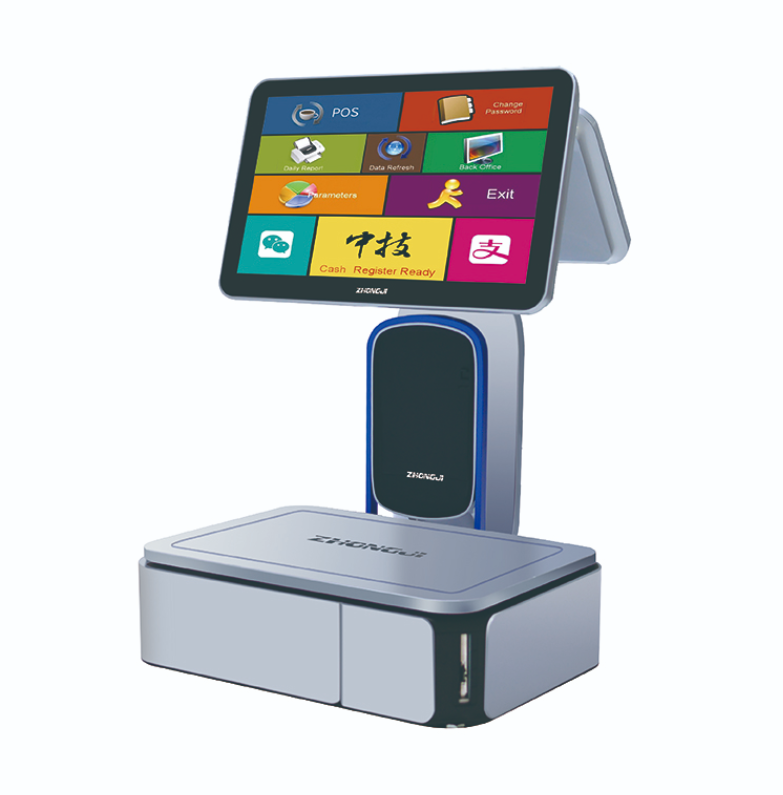
A centralized station must be designed according to daily production volume. A small fruit shop may need only one unit, while a supermarket may require separate stations for produce, bakery, meat and prepared food.
The work surface should provide enough room for empty packaging, finished products and label application. The operator should not need to move completed items back across the weighing area.
Retailers should keep label rolls and cleaning supplies nearby without blocking ventilation or access to the equipment. Regular checks should confirm weighing performance, printer condition and label alignment.
The LS1 can support a more organized fresh food preparation process by connecting weighing, product selection and label printing. The greatest benefit comes from standardizing product information and separating preparation work from final checkout, rather than simply replacing one conventional scale with a new device.
Les acheteurs du secteur de la grande distribution doivent souvent choisir entre des balances de point de vente, des balances d'étiquetage et du matériel de kiosque pour les différentes zones du magasin. Le choix du matériel adapté commence par l'analyse des tâches liées au passage en caisse et du flux de clients que chaque appareil doit prendre en charge. Pour les acheteurs qui comparent...
Voir les détails
AI label scales support fresh food weighing price labeling and product management for supermarket teams.An AI label scale helps stores label weighted products more efficiently while keeping price and product data consistent. For buyers comparing c...
Voir les détails
Les responsables d'achats dans le secteur de la vente au détail devraient comparer la conception de l'écran, l'agencement du comptoir, les besoins en matière de lecture des codes-barres et les processus de paiement avant de choisir un terminal de point de vente à écran tactile. Un terminal de point de vente à écran tactile est au cœur des opérations quotidiennes de caisse dans de nombreux projets de vente au détail et doit répondre...
Voir les détails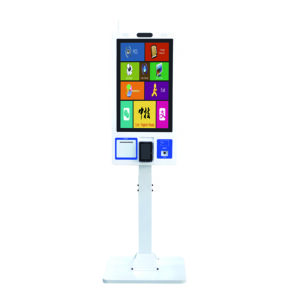
Les bornes de caisse en libre-service permettent de réduire les files d'attente et offrent aux clients une expérience de commande ou de paiement plus rapide. Une borne de caisse en libre-service est particulièrement adaptée aux magasins et aux restaurants qui souhaitent que leurs clients effectuent leur commande et leur paiement de manière autonome. Pour les acheteurs...
Voir les détails