 anypaypos








SEARCH WHAT YOU WANT
Search allProductNews
SEARCH
Smart POS terminals are used every day in retail stores, restaurants, supermarkets and service counters. They may process barcode data, connect with receipt printers, support payment peripherals and operate continuously during busy business hours. For this reason, the reliability of a POS terminal depends on much more than its appearance or processor configuration.
At ANYPAYPOS, product development begins with the intended application. A compact countertop terminal, an integrated POS with a printer and scanner, and a self-service kiosk all have different requirements for screen size, internal layout, heat dissipation, ports and peripheral compatibility. These factors need to be considered before a product enters mass production.
The first stage is to define the structure and functional layout of the product. The engineering team evaluates screen positioning, operating angles, cable routing, maintenance access and the installation space required for optional modules.
For customized projects, the development process may also involve enclosure design, structural drawings, injection-mold components and metal hardware parts. This allows the product to be adjusted for different branding, installation and functional requirements.
Before production begins, prototype units are checked for assembly feasibility and hardware compatibility. Display modules, motherboards, storage, memory, printers, scanners and communication ports can be selected according to the project configuration.
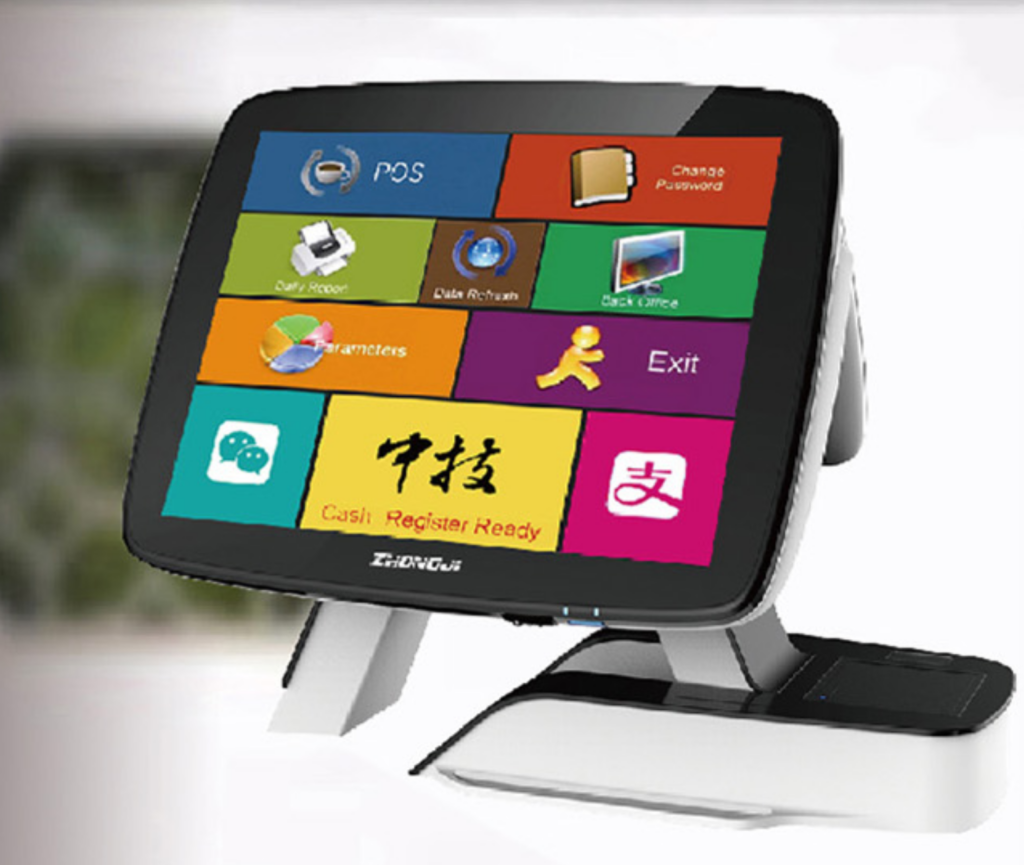
POS equipment may be installed in different environments, from air-conditioned shopping malls to busy fresh food counters and restaurant kitchens. Product testing therefore needs to consider electrical stability, temperature changes, vibration and long-term operation.
ANYPAYPOS company materials show the use of testing equipment for power surge, electrostatic discharge, high- and low-temperature conditions, thermal shock, vibration, humidity and other product inspections. The specific test procedure depends on the model, project requirements and applicable standards.
Functional testing also checks whether the screen, touch panel, USB ports, network connection, serial ports and selected peripheral modules operate correctly together.
During production, workers assemble the internal components, connect cables, install the enclosure and check the appearance of each unit. The production process can include in-process inspections to identify connection, installation or structural issues before final assembly.
Completed devices may then undergo operating tests, interface checks and aging tests according to the order requirements. Packaging is also important, especially for international shipments. The equipment, stand, adapter, cables and accessories need to be secured to reduce movement during transportation.
By connecting product design, hardware development, testing and production inspection, ANYPAYPOS provides smart POS hardware for retail, restaurant, supermarket and self-service projects. Buyers can also discuss customized configurations according to their software, installation and branding requirements.
Conclusion: Reliable POS hardware is created through a complete process rather than a single final inspection. Understanding how a terminal is designed, assembled and tested can help buyers evaluate suppliers and prepare more accurate project requirements.
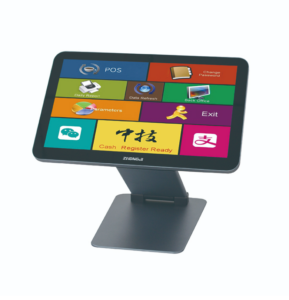
Learn how assembly inspection, functional testing, operating checks, appearance review and packaging support POS terminal quality before shipment.
View details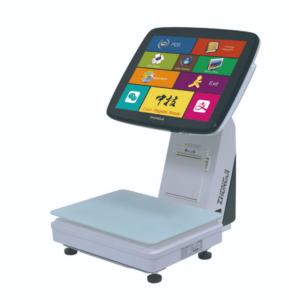
Explore how the TS7 AI POS scale combines weighing, assisted product recognition and checkout for supermarkets and fresh food retailers.
View details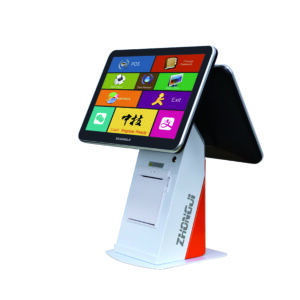
Retail project buyers should compare screen design counter layout scanning needs and payment workflows before choosing a touch screen POS terminal.A touch screen POS terminal is the center of daily checkout for many retail projects and should matc...
View details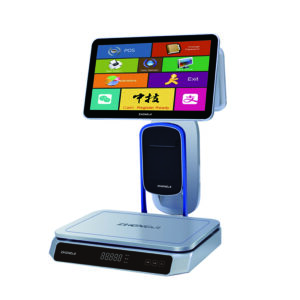
AI POS scales help supermarkets and fresh food retailers combine weighing recognition and checkout in one process.An AI POS scale is useful when fresh products weighted goods and fast checkout need to work together. For buyers comparing checkout h...
View details