 anypaypos








SEARCH WHAT YOU WANT
Search allProductNews
SEARCH
Fresh food retail requires a different workflow from standard barcode checkout. Fruit, vegetables, bakery products, prepared food and other items may need to be identified, weighed, priced and labeled before they are taken to the cashier.
When these operations are completed through separate equipment or repeated manual input, the process can become slower and more difficult to manage. The LS10 AI Label Scale is designed for fresh food weighing, price labeling and supermarket merchandise management.
A conventional weighing scale mainly calculates weight and price. An AI label scale can add an assisted product-identification step to the workflow.
When an item is placed on the weighing platform, the system can present possible product results based on the configured recognition system. The operator can then confirm the correct item before printing the label. This can reduce the number of product categories that employees need to search through manually.
Recognition performance depends on the product database, image quality, product presentation and training conditions. For this reason, AI recognition should be treated as part of a managed workflow rather than a replacement for product-data preparation and operator confirmation.
The LS10 can be used in areas where products are packaged or prepared before checkout. Typical applications include:
A printed label can communicate product name, weight, unit price, total price, barcode and other information supported by the connected retail system. The actual label format should be configured according to the software and local business requirements.
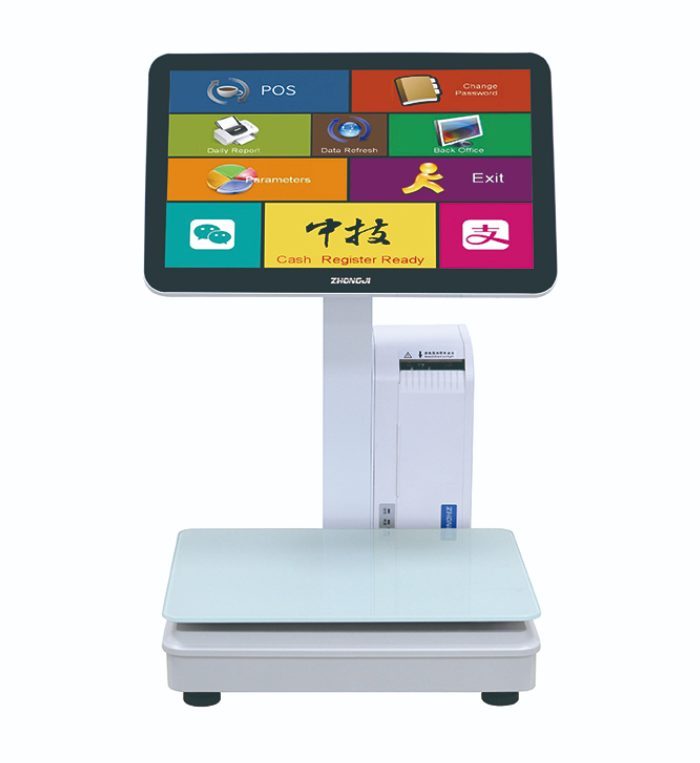
Before selecting an AI label scale, buyers should confirm the weighing workflow, product database, label size, language, software connection and daily operating environment.
For a multi-store project, it is also important to determine how product information and price changes will be maintained. A centralized management process can help stores keep names, prices and product codes consistent.
Hardware integration should be tested with the buyer’s existing POS or merchandise-management software before a large deployment. Sample testing allows both sides to confirm communication, label templates and operating procedures.
The LS10 is suitable for businesses that need to connect weighing, product selection and price-label printing in one operating station. It can be considered alongside AI POS scales when a store needs both pre-labeling and final checkout functions.
Conclusion: The value of an AI label scale comes from the complete workflow around it. Product-data management, recognition setup, weighing accuracy, label configuration and software compatibility should all be evaluated before deployment.
Learn about self-service kiosk with practical guidance on hardware selection, integration and deployment for retail and hospitality projects from ANYPAYPOS.
View details
Learn about smart retail checkout system trends global with practical guidance on hardware selection, integration and deployment for retail and hospitality.
View details
Learn about touchscreen POS terminal with practical guidance on hardware selection, integration and deployment for retail and hospitality projects from ANYPAYPOS.
View details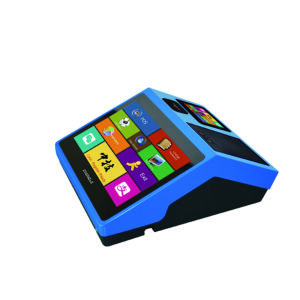
Learn about self-checkout kiosk with practical guidance on hardware selection, integration and deployment for supermarkets and fresh-food retail from ANYPAYPOS.
View details