 anypaypos








SEARCH WHAT YOU WANT
Search allProductNews
SEARCH
Quality control before shipment is especially important for POS hardware because one terminal usually contains several connected systems. The touchscreen, motherboard, storage, network connection, printer, scanner and external ports all need to work together.
A final inspection should therefore cover more than whether the device can power on.
Before testing begins, the production team needs to confirm that the assembled unit matches the approved order specification.
This includes the processor platform, memory, storage, screen, operating system and selected peripheral modules. For customized orders, the inspection may also cover logo, enclosure color, labels, accessories and packaging.
Keeping an approved configuration record helps prevent different versions from being mixed within the same batch.
The functional inspection can include:
The exact checklist depends on the product and order configuration. A standard desktop POS terminal and a self-checkout kiosk require different inspection procedures.
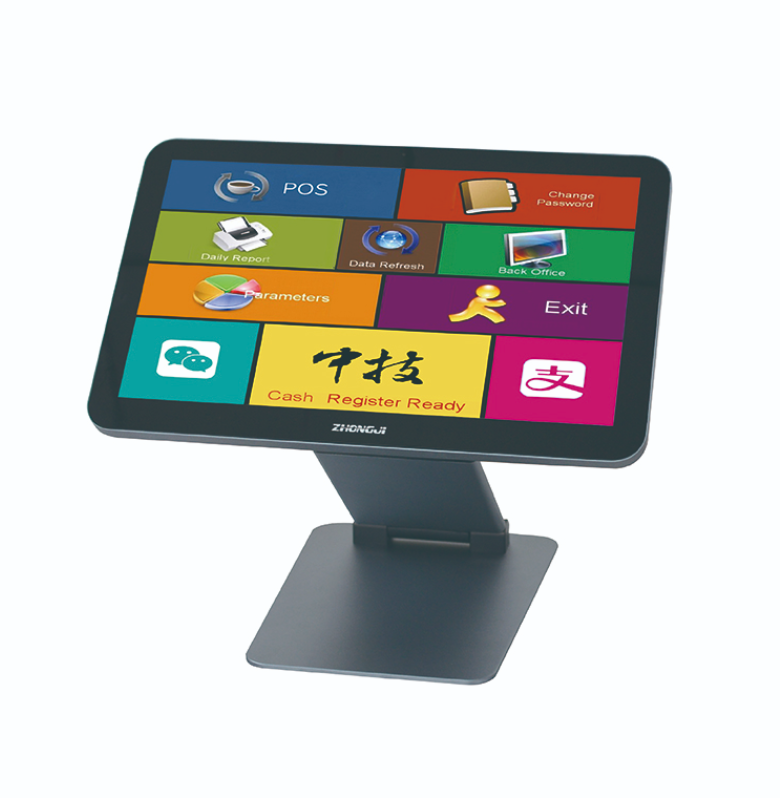
Some faults only appear after the equipment has operated for a period of time. Operating or aging tests can therefore be used to observe system stability, temperature and peripheral performance.
Company materials also show electrical and environmental testing resources, including power surge, electrostatic discharge, high- and low-temperature, vibration and humidity-related equipment. These tests may be selected during product development or according to specific project requirements.
It is important not to confuse laboratory development testing with the final inspection performed on every unit. Buyers should confirm which tests apply to the model, sample and production batch.
After functional testing, the enclosure, screen and visible surfaces should be checked for damage, incorrect assembly or contamination.
Accessories such as power adapters, cables, stands and manuals need to match the order. International packaging should hold the terminal securely and protect areas that may experience pressure or movement during transport.
For customized orders, carton markings and product labels should be approved before shipment.
Conclusion: Effective final quality control combines configuration verification, functional inspection, operating checks, appearance review and packaging confirmation. A clear checklist gives both the supplier and buyer a shared standard before goods leave the factory.
Explore how ANYPAYPOS develops, assembles and tests smart POS terminals through product design, hardware inspection, production and quality control.
View details
Singapore, January 2024 — At the 2024 Singapore NRF (National Retail Federation) Expo, Suzhou Pinnacle Electronics Co., Ltd. took center stage with its cutting-edge smart retail solutions. As a high-tech enterprise integrating R&D, manufactur...
View details
Explore how the AI Touch Screen POS Scale TS1 supports weighing, product recognition, printing and checkout at bakery and deli counters.
View details
Learn how the AI Touch Screen Label Scale LS1 can support centralized weighing, product labeling and price-data management.
View details