 anypaypos









SUCHE, WAS DU MÖCHTEST
Alle durchsuchenProduktNachrichten
SUCHE
Smart POS terminals are used every day in retail stores, restaurants, supermarkets and service counters. They may process barcode data, connect with receipt printers, support payment peripherals and operate continuously during busy business hours. For this reason, the reliability of a POS terminal depends on much more than its appearance or processor configuration.
At ANYPAYPOS, product development begins with the intended application. A compact countertop terminal, an integrated POS with a printer and scanner, and a self-service kiosk all have different requirements for screen size, internal layout, heat dissipation, ports and peripheral compatibility. These factors need to be considered before a product enters mass production.
The first stage is to define the structure and functional layout of the product. The engineering team evaluates screen positioning, operating angles, cable routing, maintenance access and the installation space required for optional modules.
For customized projects, the development process may also involve enclosure design, structural drawings, injection-mold components and metal hardware parts. This allows the product to be adjusted for different branding, installation and functional requirements.
Before production begins, prototype units are checked for assembly feasibility and hardware compatibility. Display modules, motherboards, storage, memory, printers, scanners and communication ports can be selected according to the project configuration.
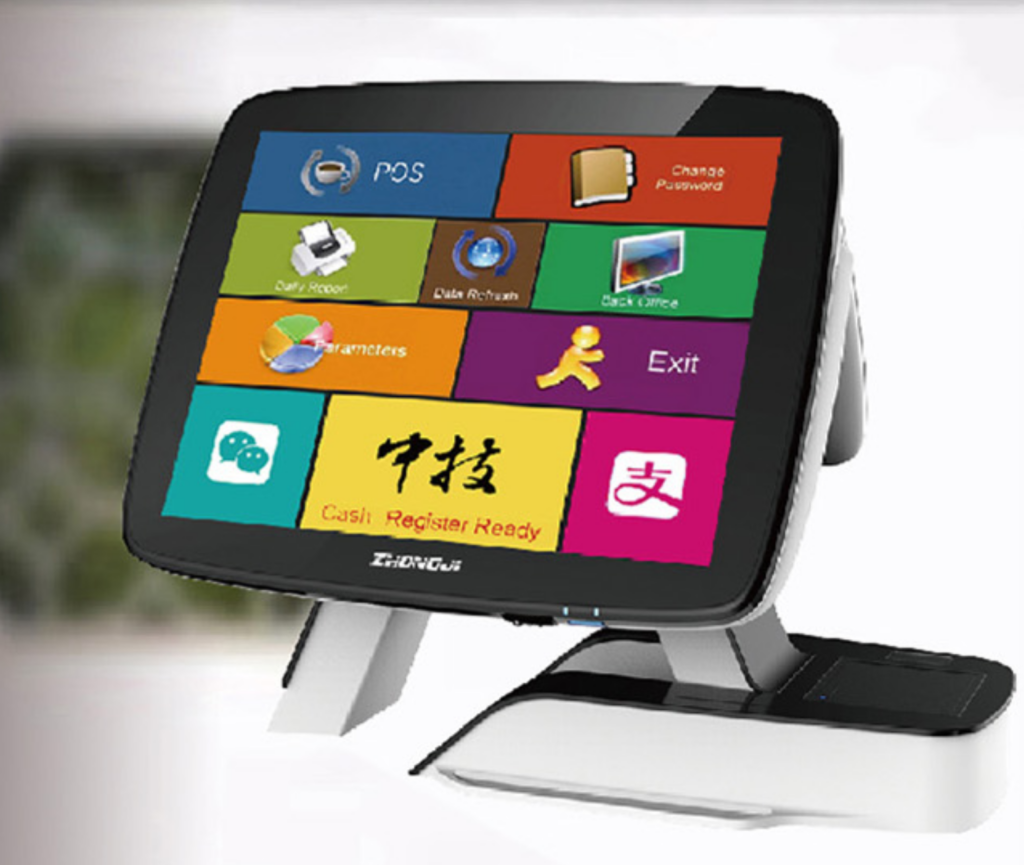
POS equipment may be installed in different environments, from air-conditioned shopping malls to busy fresh food counters and restaurant kitchens. Product testing therefore needs to consider electrical stability, temperature changes, vibration and long-term operation.
ANYPAYPOS company materials show the use of testing equipment for power surge, electrostatic discharge, high- and low-temperature conditions, thermal shock, vibration, humidity and other product inspections. The specific test procedure depends on the model, project requirements and applicable standards.
Functional testing also checks whether the screen, touch panel, USB ports, network connection, serial ports and selected peripheral modules operate correctly together.
During production, workers assemble the internal components, connect cables, install the enclosure and check the appearance of each unit. The production process can include in-process inspections to identify connection, installation or structural issues before final assembly.
Completed devices may then undergo operating tests, interface checks and aging tests according to the order requirements. Packaging is also important, especially for international shipments. The equipment, stand, adapter, cables and accessories need to be secured to reduce movement during transportation.
By connecting product design, hardware development, testing and production inspection, ANYPAYPOS provides smart POS hardware for retail, restaurant, supermarket and self-service projects. Buyers can also discuss customized configurations according to their software, installation and branding requirements.
Conclusion: Reliable POS hardware is created through a complete process rather than a single final inspection. Understanding how a terminal is designed, assembled and tested can help buyers evaluate suppliers and prepare more accurate project requirements.
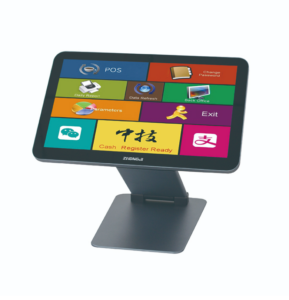
Erfahren Sie, wie Montageprüfungen, Funktionstests, Betriebsprüfungen, Sichtprüfungen und die Verpackung dazu beitragen, die Qualität der POS-Terminals vor dem Versand sicherzustellen.
Details anzeigen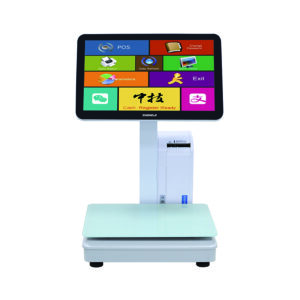
KI-Etikettierwaagen unterstützen Supermarktteams beim Wiegen von Frischwaren, bei der Preisauszeichnung und beim Produktmanagement. Eine KI-Etikettierwaage hilft Geschäften dabei, gewogene Produkte effizienter zu etikettieren und gleichzeitig die Konsistenz der Preis- und Produktdaten zu gewährleisten. Für Käufer, die Preise vergleichen...
Details anzeigen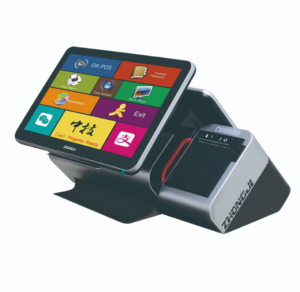
Entdecken Sie das A9, das Flaggschiff unter den Touchscreen-Kassenterminals für den Einzelhandel, die Gastronomie und Filialkassen mit integrierten Moduloptionen.
Details anzeigen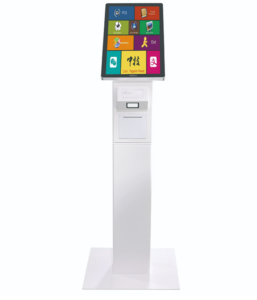
Erfahren Sie, wie das Self-Service-Terminal A12S die Bestellung, den Bezahlvorgang und den Belegdruck in Geschäften mit begrenztem Platzangebot unterstützen kann.
Details anzeigen