 anypaypos








SEARCH WHAT YOU WANT
Search allProductNews
SEARCH
A POS terminal that works correctly in one country may require changes before it can be deployed in another market.
International retail projects need to consider more than the terminal specification.
ANYPAYPOS currently markets touch-screen POS terminals, AI weighing products and self-service hardware across its international website and multiple language versions.
The power adapter and plug type should match the target market.
Buyers should confirm:
These details should be finalized before production.
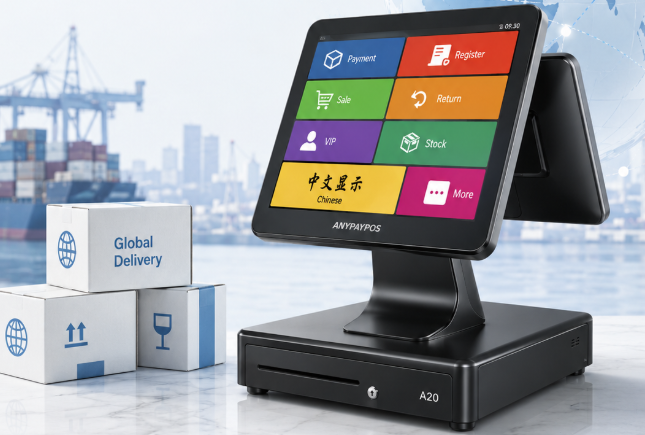
The operating system must support the customer’s software.
The application should also be tested with the languages required in the target market.
Longer words in some languages can affect button layouts and screen design, especially on touch interfaces.
Receipt printing should also be tested for character encoding and local formatting.
Payment terminals are often provided by local payment companies.
The buyer should therefore confirm how the POS terminal will connect with the payment equipment rather than assuming a single payment module works globally.
Scanners, printers and customer displays should also be tested using the intended software.
Certification requirements differ by market and product type.
Buyers should confirm which certifications apply to the exact hardware configuration and destination country before placing a bulk order.
A certification shown for one product should not automatically be assumed to cover every model.
Once testing is complete, the project team should create one approved configuration containing:
This configuration can then be used for repeat orders.
Preparing POS hardware for international markets requires coordination between hardware, software, power, peripherals and local requirements.
Confirming these details during the sample stage can make later production and deployment much easier.
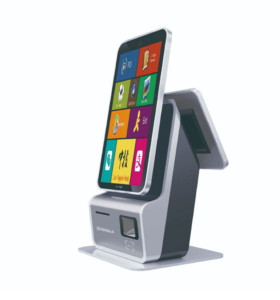
Learn about POS hardware with practical guidance on hardware selection, integration and deployment for retail and hospitality projects from ANYPAYPOS.
View details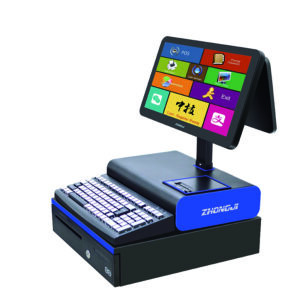
Learn about pos terminal ai scale integration store with practical guidance on hardware selection, integration and deployment for supermarkets and fresh-food.
View details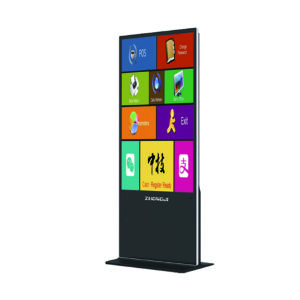
Learn about self-service kiosk with practical guidance on hardware selection, integration and deployment for retail and hospitality projects from ANYPAYPOS.
View details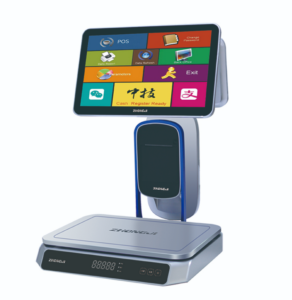
Learn about fresh food checkout hardware TS1 with practical guidance on hardware selection, integration and deployment for supermarkets and fresh-food retail from.
View details