 anypaypos









お探しのものを検索
すべてを検索製品ニュース
検索
Convenience stores need to process different types of transactions within a relatively small space. Customers may purchase packaged products, hot food, beverages, fresh items or services, often during short periods of high traffic.
For a chain-store project, the hardware solution must support both daily checkout and standardized deployment across multiple locations.
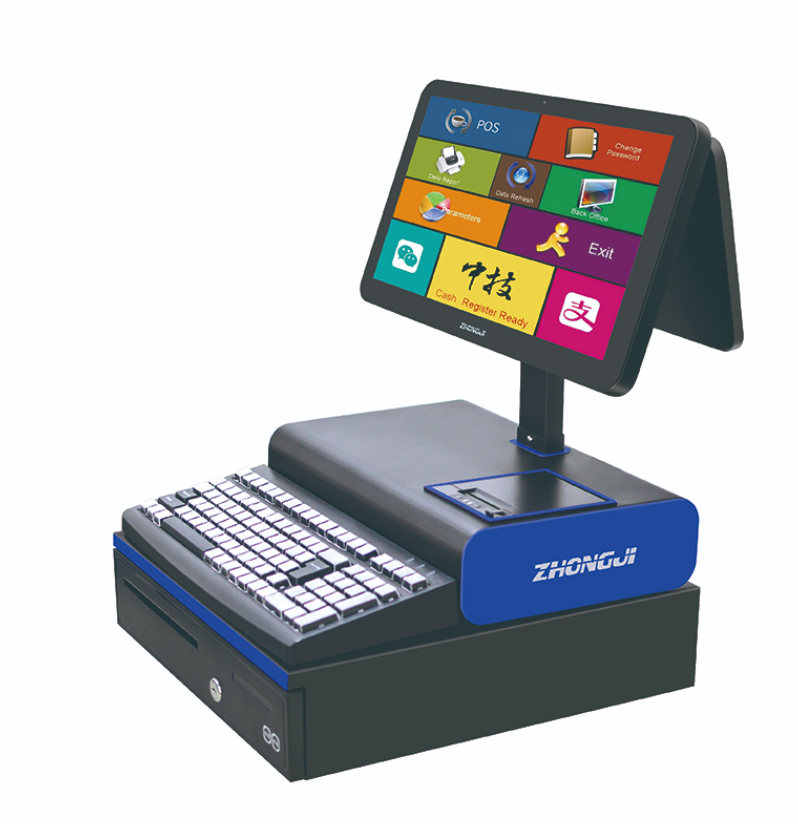
The staffed counter remains the main transaction point in many convenience stores. A touch-screen POS terminal can connect with barcode scanners, receipt printers, cash drawers, customer displays and payment equipment.
The terminal should fit the available counter space and provide enough ports for the selected peripherals. An integrated POS design can reduce visible cables, while a modular configuration may make individual components easier to replace.
The correct choice depends on store layout, maintenance preferences and software requirements.
Not every convenience store needs an AI scale. However, stores selling fruit, bakery products, prepared food or products priced by weight may need a dedicated weighing workflow.
ある AIラベルの規模 can be used to weigh and label products before checkout. An AI POSスケール can combine weighing and transaction functions at the counter.
The store should select the equipment according to whether products are packaged in advance or weighed during checkout.
A セルフチェックアウトキオスク can provide another transaction channel during busy periods. It may be suitable for customers purchasing a small number of packaged products or using a simplified ordering process.
The kiosk should not be installed without considering customer flow. Stores need to plan assistance, payment exceptions, receipt-paper replacement and loss-prevention procedures.
In smaller locations, a compact desktop or wall-mounted solution may be more practical than a large floor-standing kiosk.
For chain stores, standardization is as important as individual hardware performance. The project team should define approved configurations, software images, peripheral models, cable layouts and installation procedures.
A pilot store can be used to test the complete workflow before wider rollout. Feedback from employees can identify issues related to screen position, scanner placement, receipt access or counter layout.
ANYPAYPOS offers touch-screen POS terminals, AI weighing equipment, kiosks and POS peripherals that can be combined for different store zones.
結論: A convenience-store solution does not need every available device. The objective is to select the correct hardware for staffed checkout, weighed products and customer self-service while maintaining a configuration that can be repeated across the chain.
小売およびホスピタリティ業界向けのプロジェクトにおけるハードウェアの選定、統合、導入に関する実践的なガイダンスとともに、スマートキオスク「A12」の設置についてご紹介します。.
詳細を見る
従来のPOS端末とセルフチェックアウトキオスクを比較し、さまざまな小売業態や取引の種類に最適なレジ方式を見極める。.
詳細を見る
ANYPAYPOSが提供する、コンビニチェーン向けPOSハードウェアの選定、統合、導入に関する実践的なガイダンスを通じて、POSハードウェアについて学びましょう。.
詳細を見る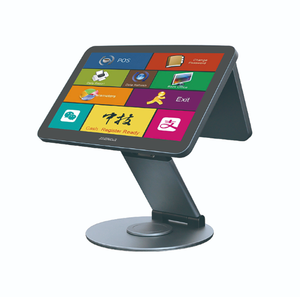
Learn how customer-facing POS screens can support order confirmation, price visibility and in-store communication during checkout.
詳細を見る