 anypaypos









BUSCA LO QUE QUIERAS
Buscar en todoProductoNoticias
BUSCAR
Retail customers are becoming more comfortable with self-service technology.
From supermarkets to convenience stores, self checkout kiosks are changing how customers complete transactions.
A retail self checkout kiosk allows shoppers to scan products, confirm purchases and complete payment through a touchscreen interface.
Instead of replacing traditional checkout completely, many retailers use self-service equipment as an additional option.
This creates a more flexible shopping environment where customers can choose between assisted service and independent checkout.
Self checkout solutions are increasingly used in:
ANYPAYPOS provides self-service kiosk solutions designed for different commercial applications.
One major advantage of self checkout kiosks is improving customer flow.
During busy periods, traditional checkout counters may create long waiting lines.
Self-service stations provide additional transaction points, allowing customers with simple purchases to complete checkout faster.
Retailers can use kiosks for:
The effectiveness of self checkout depends heavily on store layout.
A successful installation should consider:
The goal is not simply installing a machine but creating a smoother customer journey.
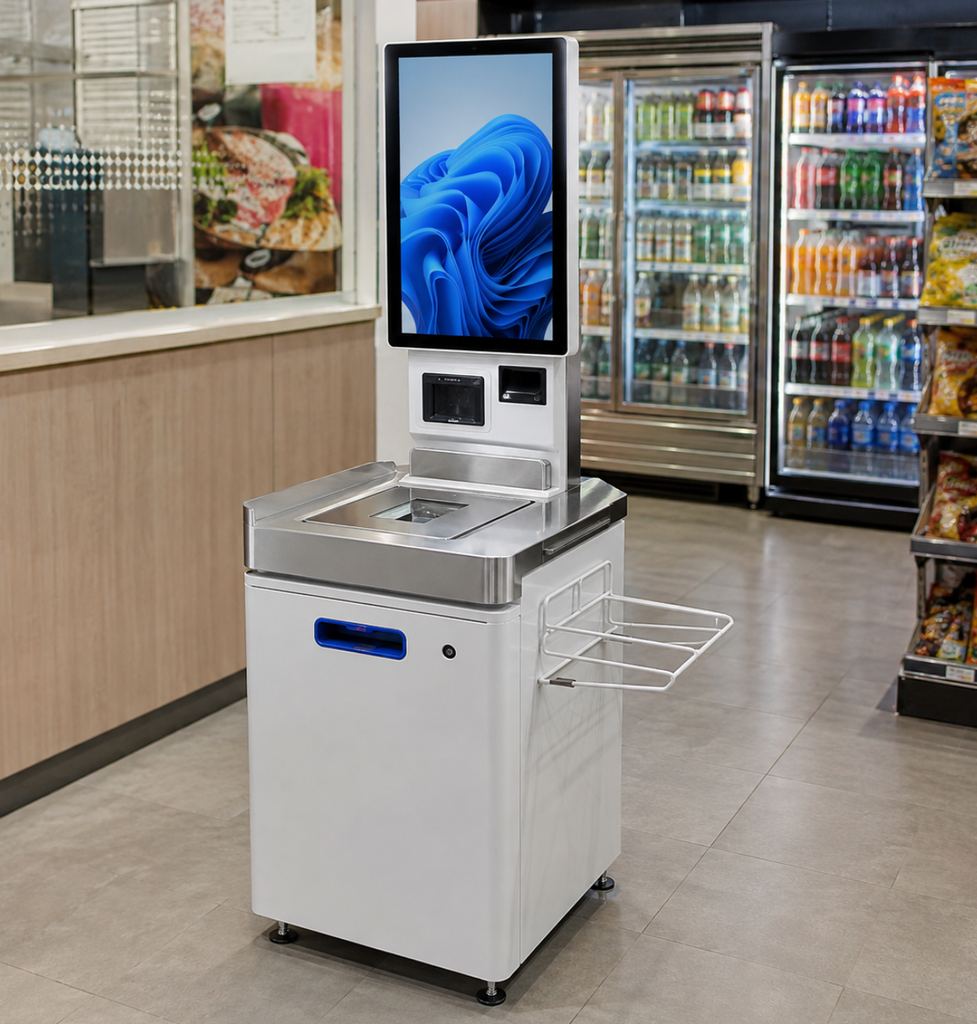
Different retail environments require different kiosk designs.
Small stores may prefer compact kiosks that save floor space.
Large supermarkets may require larger configurations with:
Some retailers may need kiosks for:
Before deployment, retailers should test the complete workflow.
Important tests include:
Self checkout kiosks are becoming part of broader smart-retail systems.
Future retail environments may combine:
The value of self checkout is not only reducing labor pressure but also creating a more flexible shopping experience.
Retailers that carefully integrate hardware and software can improve both operational efficiency and customer satisfaction.
Retail self checkout kiosks are becoming an important part of modern store design.
By selecting suitable hardware, optimizing store layout and integrating reliable software, retailers can create faster and more convenient checkout experiences.
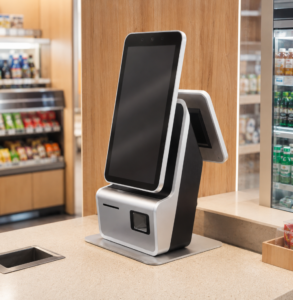
Descubre cómo las tiendas de conveniencia pueden utilizar quioscos compactos de autoservicio para el pago, la realización de pedidos y la atención al cliente sin necesidad de sustituir los mostradores de punto de venta atendidos por personal.
Ver detalles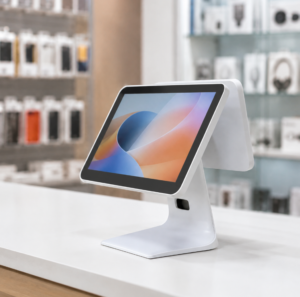
Compara los terminales de punto de venta (TPV) de Android y Windows en cuanto a software para el comercio minorista, periféricos, implementación y planificación a largo plazo del hardware.
Ver detalles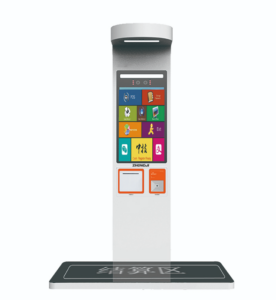
Descubre cómo diseñar un quiosco «a21» de pedidos autónomos para restaurantes con consejos prácticos sobre la selección de hardware, la integración y la implantación en restaurantes y...
Ver detalles
Descubre los sistemas de punto de venta (TPV) con pantalla táctil flexibles y de temporada, con consejos prácticos sobre la selección de hardware, la integración y la puesta en marcha para los sectores minorista y hostelero.
Ver detalles