 anypaypos









BUSCA LO QUE QUIERAS
Buscar en todoProductoNoticias
BUSCAR
Seasonal retail creates a different set of checkout requirements from a permanent store. Holiday counters, promotional areas, exhibitions, outdoor sales points and temporary pop-up stores may operate for only a few days or several months. These locations still need dependable product scanning, receipt printing and transaction processing, but they usually have less counter space and more installation restrictions.
The Touch Screen POS A20 Series provides a compact checkout option for retail environments that require greater flexibility. Product materials describe an 11.6-inch main screen, an integrated two-dimensional barcode module, optional battery support, receipt-printing options, NFC-related functionality and Windows or Android system choices.
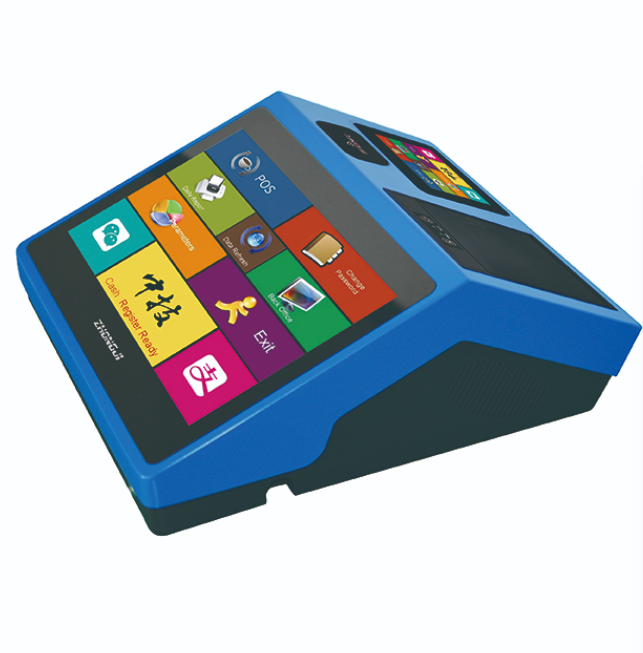
A temporary sales counter should be planned around the complete transaction process rather than the terminal alone. Retailers need to confirm where products will be scanned, how receipts will be printed, where customers will complete payment and how the equipment will connect to the store system.
Counter space is often limited in pop-up environments. A compact POS design can reduce the number of separate devices placed around the cashier. It can also make the counter easier to install, dismantle and relocate when the promotion ends.
Before deployment, operators should prepare the required software, product database, staff accounts and receipt format. The approved software image can then be installed on each terminal to maintain a consistent operating experience.
Flexible POS equipment can be useful in several situations:
Temporary promotional counters inside shopping malls may need an additional checkout point without rebuilding the permanent store layout. Exhibition booths may need to process sample sales or product orders. Seasonal markets may require equipment that can be transported between locations. Large retailers may also open extra counters during holidays to reduce pressure on their main checkout area.
The A20 Series can be considered when a project requires a more compact terminal with scanning and printing functions integrated around the checkout workflow. The actual configuration should be selected according to the software, payment equipment and available power supply.
Optional battery support can provide additional flexibility, but retailers should still confirm expected operating time and prepare a charging plan. A battery should be treated as operational support rather than a substitute for proper power planning.
Temporary stores often experience greater operational variation because equipment, staff and locations change frequently. Standardization can reduce these differences.
Retailers can create a standard project package containing the approved POS configuration, power adapter, cables, scanner settings, software image and installation instructions. Each temporary location can then follow the same deployment process.
After the event or sales season, the equipment should be inspected, cleaned and prepared for its next use. Transaction data should be synchronized before the terminal is removed from the site.
A flexible checkout station is not simply a smaller version of a permanent counter. It must be easy to install, operate, relocate and reuse. The Touch Screen POS A20 Series can support seasonal retail, promotional counters and pop-up projects when its hardware configuration is matched with a clear software and deployment plan.
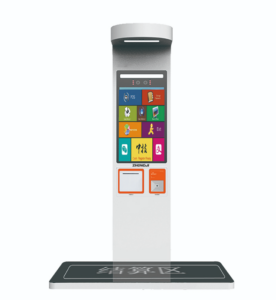
Learn how restaurants can design a clearer ordering, payment and receipt workflow around the Restaurant Self Service Kiosk A21.
Ver detalles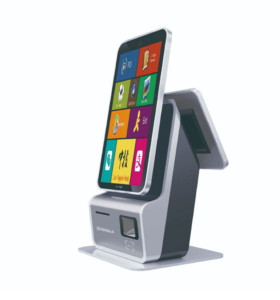
Descubre los aspectos a tener en cuenta sobre los terminales de punto de venta, las balanzas con inteligencia artificial y los quioscos de autoservicio para supermercados, tiendas de conveniencia y restaurantes del sudeste asiático.
Ver detalles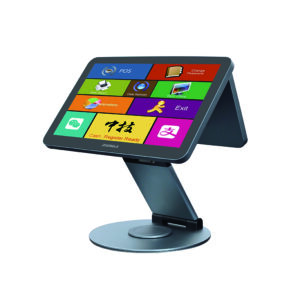
Las tiendas pequeñas necesitan equipos de caja que sean compactos, estables y fáciles de usar para el personal en el día a día. Un TPV con pantalla táctil para el comercio minorista ayuda a las tiendas pequeñas a tramitar los pedidos más rápido, al tiempo que mantiene el mostrador limpio y ordenado. Para los compradores que estén comparando equipos de caja...
Ver detalles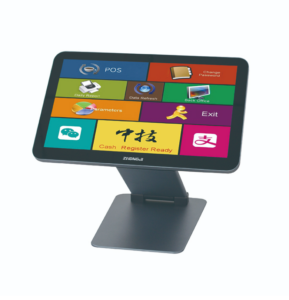
Descubre cómo la inspección del montaje, las pruebas funcionales, las comprobaciones de funcionamiento, la revisión del aspecto y el embalaje contribuyen a garantizar la calidad de los terminales de punto de venta antes de su envío.
Ver detalles