anypaypos









搜索您想要的内容
搜索全部产品新闻
搜索
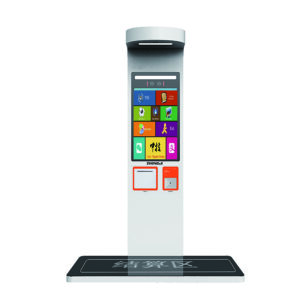
A 自助结账机 may perform well in a showroom but behave differently after installation in a real store.
Lighting, customer flow, network quality, counter layout and employee support all affect how the system is used.
For this reason, retail chains should avoid moving directly from prototype approval to large-scale rollout.
A pilot project allows the retailer to test the full customer journey.
The kiosk should be installed in the intended environment and connected to the actual retail software.
Customers should scan real products, complete payment and collect receipts.
Employees should also use the system to handle exceptions.
The objective is to discover operational problems before they are multiplied across dozens of locations.
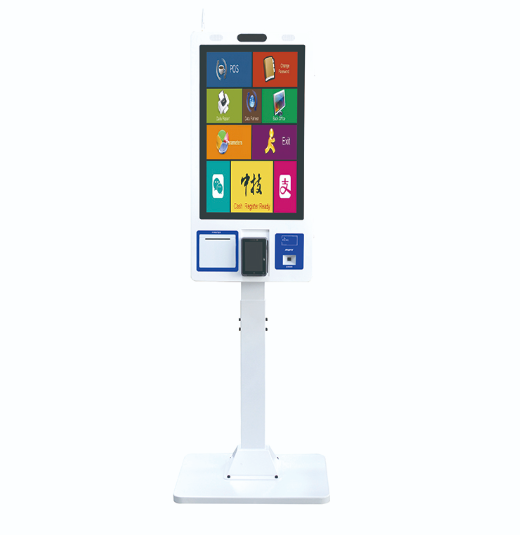
Pilot testing should cover both transaction performance and maintenance.
The retailer should verify scanner position, screen height, receipt-printer access and payment-terminal placement.
Customers should be able to understand where products are scanned and where payment is completed.
Employees need access to the printer and internal service areas.
Software testing should include normal checkout as well as unusual situations.
The team should test unreadable barcodes, cancelled items, unavailable payment, network interruptions and printer-paper replacement.
The kiosk should provide clear instructions when something goes wrong.
For OEM projects, customized branding and enclosure details should also be reviewed during the pilot.
Color, logo, labels and module positions can look different in a real store than in a design rendering.
The pilot should produce a final list of approved requirements.
Any hardware, software or structural changes identified during testing should be completed before mass production.
The final configuration can then be documented as the chain standard.
This document may include hardware modules, software version, payment-device model, accessories, packaging and installation instructions.
Store employees should also provide feedback.
They often identify practical issues that project teams overlook, such as difficulty replacing paper or helping customers from a particular position.
Once these details are resolved, the kiosk becomes easier to deploy repeatedly.
A pilot project reduces the risk of discovering problems after hundreds of self-checkout kiosks have already been manufactured or installed.
For retail chains and software companies, OEM kiosk development should move through a controlled sequence: prototype, pilot, adjustment and final production.
This process creates a more reliable foundation for large-scale deployment.
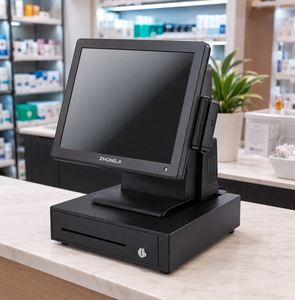
Explore why Windows POS terminals remain widely used in retail, hospitality and enterprise checkout environments.
查看详情