 anypaypos









PROCURE O QUE QUISER
Pesquisar tudoProdutoNotícias
PESQUISAR
Bakery and deli counters handle products that do not always follow a standard barcode checkout process. Bread, cakes, prepared dishes, cooked food and packaged portions may be sold by weight, by quantity or through a combination of both methods.
Employees may need to identify the product, confirm its weight, calculate the price and print a receipt or label within a limited counter area. The AI Touch Screen POS Scale TS1 combines weighing, assisted product recognition and POS checkout functions for fresh food retail applications. Product materials also describe high-precision weighing, anti-insect and waterproof design elements, different screen options, integrated printer options and modular construction.
Traditional weighing workflows often require employees to remember product codes or search through several menu levels. This becomes more difficult when a bakery or deli carries many visually similar products.
AI-assisted product recognition can present possible product selections after an item is placed on the weighing platform. The employee still confirms the correct result before continuing the transaction. This confirmation step is important because product appearance, packaging and presentation can change.
The recognition system should therefore be supported by an organized product database. Stores need clear product names, images, codes, prices and classification rules. New products should be added through a controlled process rather than entered differently by each employee.
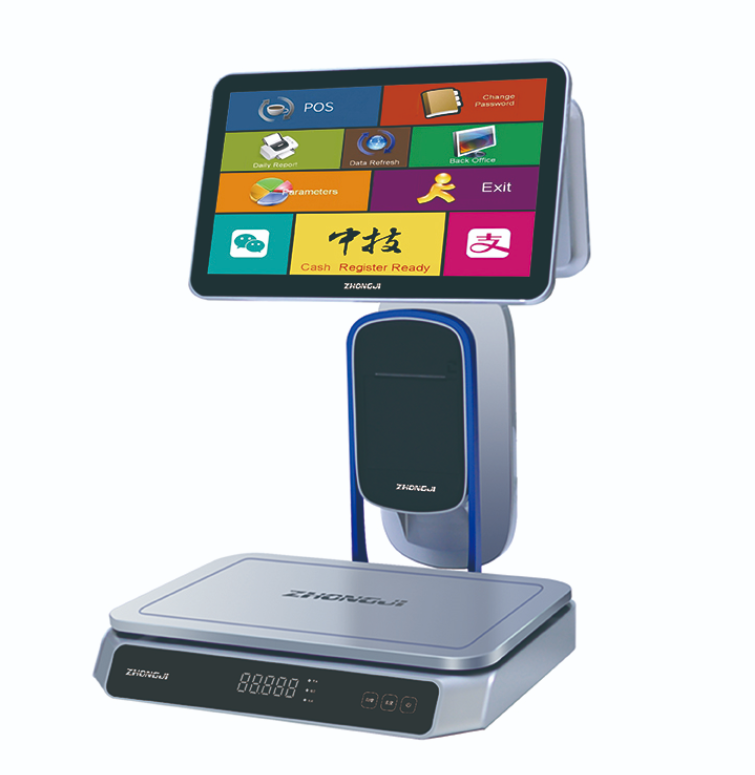
The position of the scale affects both employee efficiency and customer communication. The weighing platform should be easy to reach without requiring repeated movement across the counter. The screen should remain visible to the operator, while the printer and receipt outlet should be accessible for paper replacement.
Bakery and deli environments may also contain crumbs, moisture and packaging materials. Daily cleaning procedures should be defined before installation. Cleaning should follow the product instructions and should not allow liquid or debris to enter electronic components.
Stores should also confirm whether the terminal will complete final payment or only prepare product information for another cashier. A dedicated bakery checkout station and a pre-weighing station require different software workflows.
Fresh food counters often experience concentrated traffic during breakfast, lunch, dinner or weekend shopping periods. Hardware alone cannot solve peak-hour pressure unless product data and staff procedures are also prepared.
Frequently sold products can be organized in visible categories. Staff can be trained to confirm recognition results quickly and handle exceptions consistently. Receipt paper and other consumables should be checked before busy periods.
For chain bakery or deli projects, one location can serve as a pilot site. The retailer can observe product-recognition accuracy, employee operation, counter layout and software synchronization before deploying the same configuration to additional stores.
The TS1 is most effective when weighing, product identification, printing and checkout are treated as one connected process. For bakery, deli and prepared-food counters, accurate product data, suitable counter design and staff confirmation remain essential parts of a successful Balança de ponto de venda com IA deployment.
Os compradores do setor retalhista têm frequentemente de escolher entre balanças de ponto de venda, balanças de etiquetagem e equipamento de quiosque para diferentes zonas da loja. A escolha do equipamento retalhista adequado começa pela tarefa de pagamento e pelo fluxo de clientes que cada dispositivo deve suportar. Para os compradores que comparam c...
Ver detalhes
As cadeias de lojas de conveniência precisam de equipamento de PDV que permita fluxos de trabalho de pagamento repetíveis em vários balcões e locais. O equipamento de PDV inteligente ajuda as cadeias de lojas a manter a consistência no processo de pagamento diário, ao mesmo tempo que apoia a formação do pessoal e as operações padrão da loja...
Ver detalhes
Os restaurantes podem utilizar quiosques de autoatendimento para reduzir o tempo de encomenda e aliviar a pressão no balcão de atendimento. Um quiosque de autoatendimento num restaurante oferece aos clientes uma forma direta de consultar os produtos, fazer encomendas e efetuar o pagamento. Para os compradores que comparam preços...
Ver detalhes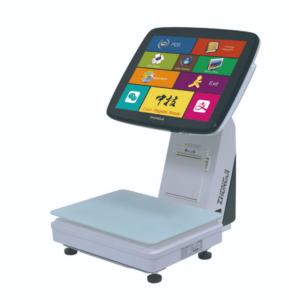
Descubra como a balança POS com IA TS7 combina pesagem, reconhecimento assistido de produtos e processo de pagamento para supermercados e retalhistas de produtos frescos.
Ver detalhes