 anypaypos









お探しのものを検索
すべてを検索製品ニュース
検索
POS software companies, distributors and retail solution providers do not always need the same hardware configuration. One customer may require a compact Android terminal, while another needs a Windows-based POS with a receipt printer, scanner, customer display and multiple communication ports.
OEM and ODM development allows the hardware to be adjusted around the customer’s software, branding and application requirements.
A successful customized POS project starts with a clear requirement document. The buyer should explain the intended industry, software environment, installation method, expected order volume and peripheral devices.
Important items normally include:
This information helps the engineering and sales teams determine whether an existing model can be configured or whether structural development is required.
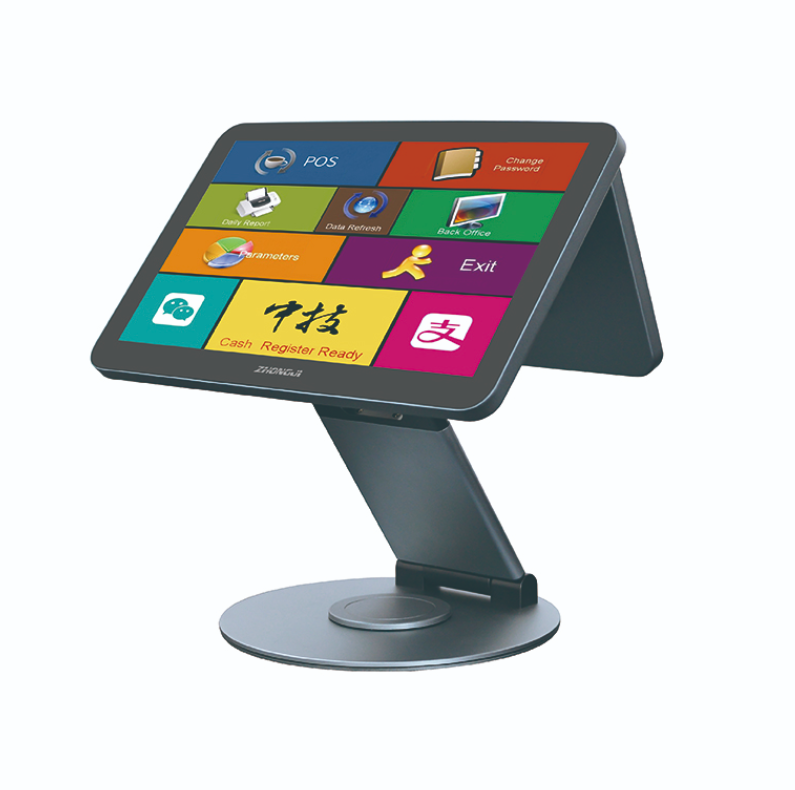
OEM projects usually focus on branding and configuration changes based on an existing product platform. These may include logo placement, enclosure color, packaging, hardware specification and selected peripherals.
ODM projects can involve more extensive development, such as enclosure design, structural modification, mold development, port positioning and integrated functional modules.
ANYPAYPOS company materials show capabilities in appearance design, mechanical structure development, injection molds and hardware molds. These resources can support projects that require more than a standard logo change.
Before mass production, a sample or engineering unit should be tested with the customer’s software. The buyer needs to confirm system installation, drivers, screen resolution, touch operation, peripheral communication and port compatibility.
For projects involving printers, scanners, scales or payment devices, each module should be checked under the intended workflow. A hardware unit may operate normally by itself but still require software adjustments when connected to a complete retail system.
Any requested changes should be documented before the production configuration is finalized.
Once the sample is approved, the project can move into material preparation and production. The order specification should clearly define hardware configuration, accessories, labels, packaging and software requirements.
For international projects, delivery planning should also include shipping method, documentation, spare parts and after-sales communication.
ANYPAYPOS offers touch-screen POS terminals, AI scales, self-service kiosks and POS peripherals, allowing customers to build a coordinated product range under one brand or solution platform.
結論: OEM and ODM development works best when software requirements, hardware functions and commercial expectations are confirmed early. A structured approval process reduces repeated changes and supports more consistent mass production.
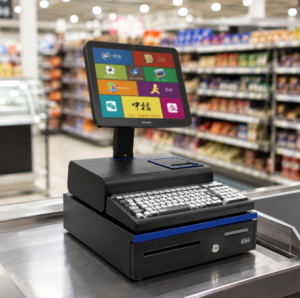
POS端末、スキャナー、プリンター、はかり、セルフチェックアウト機器などを網羅した、スーパーマーケット向けの実用的なPOSハードウェアチェックリスト。.
詳細を見る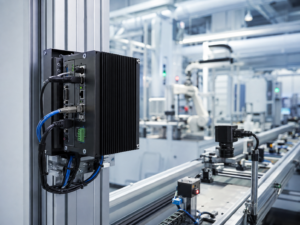
産業用およびエッジコンピューティングプロジェクトに向けた、ハードウェアの選定、統合、導入に関する実践的なガイダンスとともに、モジュラー型産業用コンピュータについて学びましょう。.
詳細を見る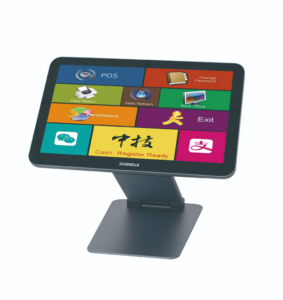
ANYPAYPOSが提供する、小売・ホスピタリティ業界向けのPOSハードウェアに関する実用的なガイドを通じて、ハードウェアの選定、統合、導入について学びましょう。.
詳細を見る
ANYPAYPOSが提供する、小売・ホスピタリティ業界向けのオールインワンPOSシステムについて、ハードウェアの選定、統合、導入に関する実践的なガイダンスとともにご紹介します。.
詳細を見る