 anypaypos









BUSCA LO QUE QUIERAS
Buscar en todoProductoNoticias
BUSCAR
Barcode scanning is one of the most common checkout functions in packaged-goods retail. A POS system with a barcode scanner can retrieve product information quickly and connect the scanned item with price, stock and transaction data.
Current retail POS platforms support both integrated and external scanner configurations, and USB-connected barcode scanners remain common in retail hardware ecosystems.
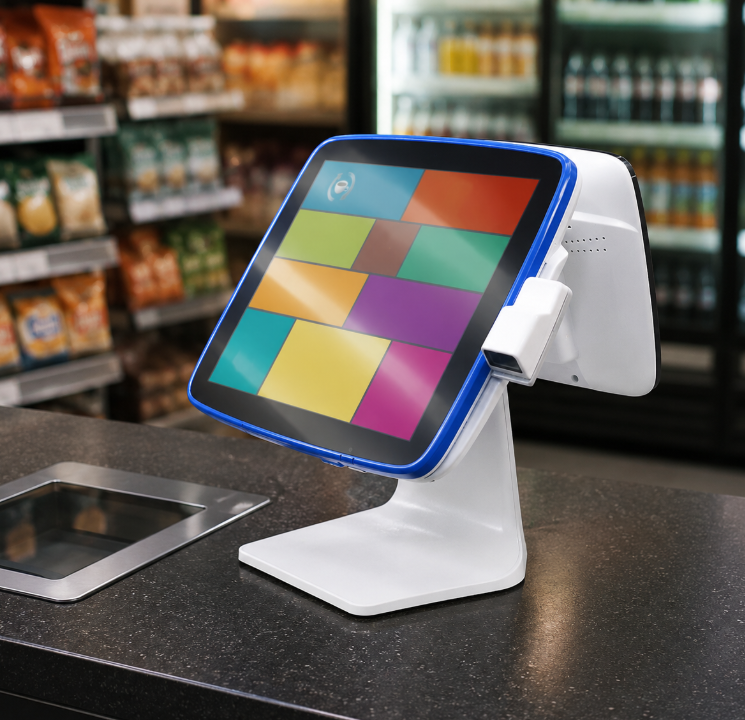
Some POS terminals include a scanner directly in the machine.
This arrangement can be useful when:
Compact or integrated scanners can also simplify the appearance of a checkout counter.
A handheld or desktop scanner provides more positioning flexibility.
External scanners may be preferable when employees scan:
They can also be replaced separately if damaged.
Retailers should check what types of codes are used.
Traditional product barcodes may only require 1D scanning. Projects involving QR codes, mobile coupons or digital membership codes may require a 2D scanner.
The scanner should be tested using actual product labels because reflective packaging, small barcodes and damaged labels may affect performance.
The scanner is only useful when it communicates correctly with the POS software.
The test should confirm:
The approved scanner model should then be documented for future stores and replacement equipment.
A POS system with barcode scanner functionality can use either an integrated or external design.
Integrated scanners are useful for compact checkout environments, while external scanners offer greater flexibility. The best option depends on product size, store layout and daily checkout behavior.
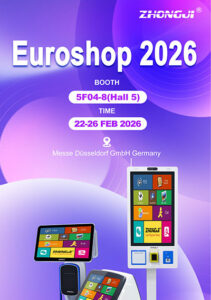
See how ANYPAYPOS presented smart POS terminals, AI scales and self-service kiosk solutions in Suzhou Pinnacle Electronics cordially invites global partners to.
Ver detalles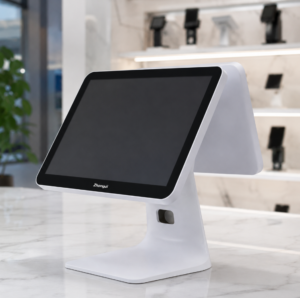
Descubre qué aspectos pueden personalizar los distribuidores y las empresas de software en los proyectos de hardware de TPV OEM, desde la imagen de marca y la configuración hasta los periféricos y el embalaje.
Ver detalles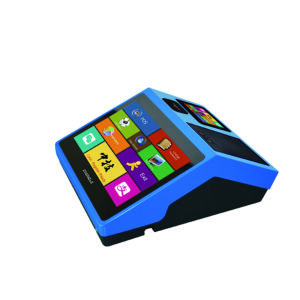
Descubre las características de los terminales de punto de venta portátiles para el comercio minorista moderno, con consejos prácticos sobre la selección, integración e implantación de equipos para los sectores minorista y hostelero.
Ver detalles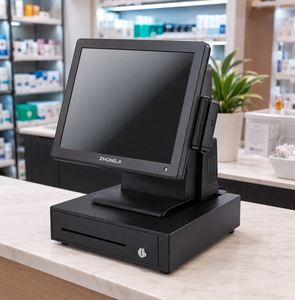
Explore why Windows POS terminals remain widely used in retail, hospitality and enterprise checkout environments.
Ver detalles