 anypaypos









BUSCA LO QUE QUIERAS
Buscar en todoProductoNoticias
BUSCAR
Not every store has enough space for a large floor-standing kiosk. Small restaurants, service counters, convenience stores and reception areas may still want to provide customers with a self-service option without redesigning the entire location.
The Self Service Terminal A12S supports self-service ordering, checkout, payment and receipt printing in retail and restaurant scenarios.
A compact self-service terminal should have a focused purpose. Trying to place every store function on one screen can create a confusing customer experience.
The A12S may be configured around a specific workflow such as order entry, simple checkout, information lookup, queue registration or receipt printing, depending on the connected software and selected modules.
Before installation, the business should identify the most repetitive customer task. That task should become the main function of the terminal.
For a café, this may be ordering and payment. For a service counter, it may be checking in or selecting a service. For a retail store, it may be processing simple purchases or retrieving order information.
Compact terminals can be placed on an existing counter or integrated into a dedicated service position. The screen should be located where customers can use it without leaning across staff work areas.
Power and network cables should be concealed or protected. The terminal should not reduce the space required for product display, employee operation or customer movement.
Retailers should also consider privacy. Screens used for account information, order details or payment should not face waiting areas unnecessarily.
Cleaning and receipt-paper replacement need to be possible without moving other equipment. A small footprint is useful only when the terminal remains practical to maintain.
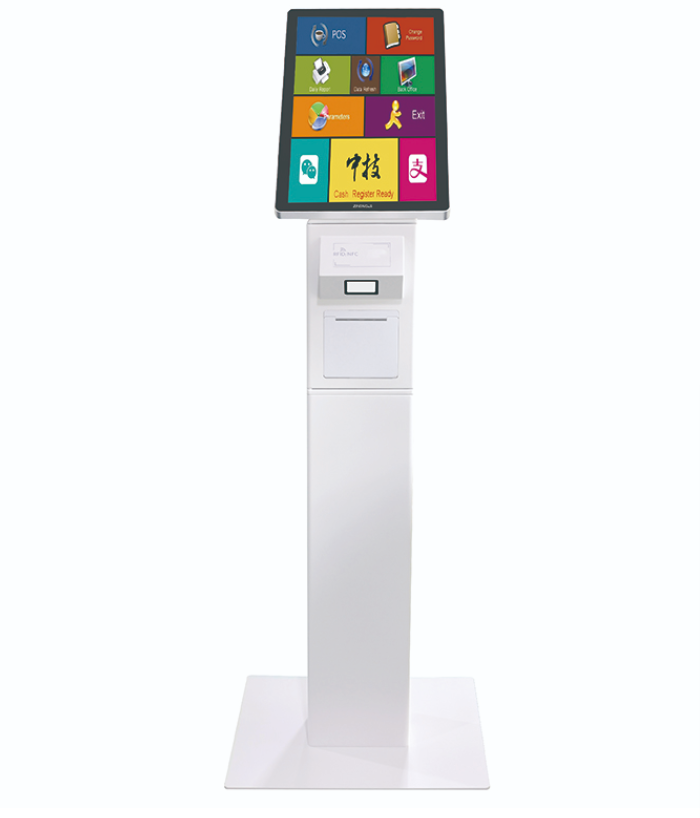
The A12S should exchange the correct information with the main POS or order-management system. Product data, prices, menu availability and order status should remain consistent across staff-operated and self-service channels.
A pilot installation can reveal whether customers understand the screen, where they hesitate and when they ask employees for help.
The business can then adjust wording, button size, screen sequence and terminal position before adding more units.
Compact self-service works best when the terminal is assigned a clear task. The A12S can provide a customer-operated ordering or checkout point in limited spaces, but its success depends on focused software, careful positioning and integration with the existing store workflow.
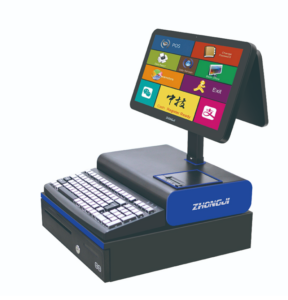
Descubre cómo los terminales de punto de venta, las balanzas con inteligencia artificial, los quioscos de autopago y los periféricos pueden facilitar el funcionamiento de las distintas zonas de caja en las cadenas de tiendas de conveniencia.
Ver detalles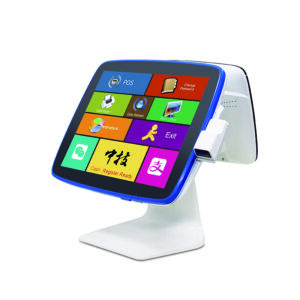
Las cadenas de tiendas de conveniencia necesitan equipos de punto de venta (TPV) que permitan aplicar procesos de pago repetibles en múltiples cajas y establecimientos. Los equipos de TPV inteligentes ayudan a las cadenas de tiendas a mantener la coherencia en los procesos de pago diarios, al tiempo que facilitan la formación del personal y el funcionamiento estándar de la tienda...
Ver detalles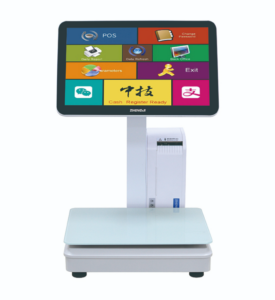
Descubre cómo la báscula con etiquetadora y IA LS10 facilita el pesaje, la identificación de productos, el etiquetado de precios y la gestión de la mercancía en el sector minorista de alimentos frescos.
Ver detalles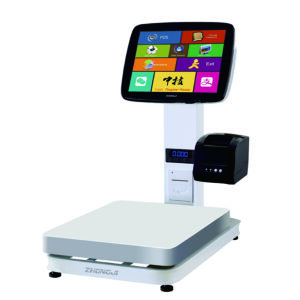
Los flujos de trabajo de las balanzas de punto de venta (TPV) de los supermercados integran el pesaje, el reconocimiento de productos, la fijación de precios y el proceso de pago en las secciones de alimentos frescos. Un flujo de trabajo de balanza de TPV resulta importante cuando las tiendas venden productos frescos, productos de panadería, productos de charcutería u otros productos que se venden al peso. Para los compradores que comparan precios...
Ver detalles