 anypaypos









お探しのものを検索
すべてを検索製品ニュース
検索
Industrial applications often require computing hardware to operate close to machines, cameras, sensors and production equipment. Sending every data point to a remote cloud platform may not be suitable when the application requires rapid processing, local control or continued operation during network interruptions.
ANYPAYPOS also presents a modular industrial computer direction for industrial AI edge computing. This product area extends the company’s hardware capabilities beyond commercial checkout and into industrial data-processing scenarios.
Edge computing places processing resources near the source of the data.
In a machine-vision application, camera images may need to be analyzed quickly so the production system can identify defects or confirm product positioning. In a data-acquisition project, the industrial computer may collect information from several machines and transfer selected results to a management platform.
Local processing can reduce unnecessary data transmission and allow the system to respond more quickly.
The exact benefit depends on the software, processor configuration, interfaces and operating environment. Buyers should begin by defining the application workload rather than selecting hardware based only on general specifications.
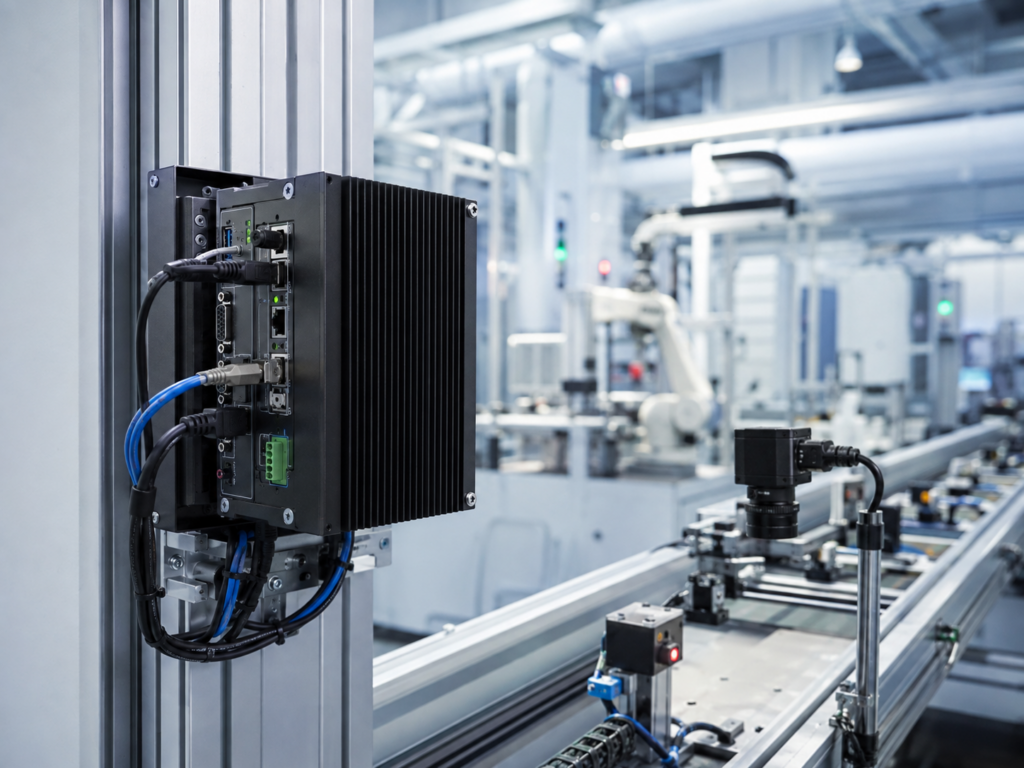
Industrial projects may connect cameras, sensors, controllers, displays and network equipment. The computer must provide the appropriate communication interfaces for these devices.
The project team should prepare a connection list covering device type, communication method, data volume and power requirements.
Software compatibility is equally important. The operating system, drivers and application framework should be tested with the real industrial equipment.
Environmental conditions also need to be considered. Temperature, dust, vibration, installation space and ventilation may influence the enclosure and mounting method selected for the project.
Industrial applications are rarely identical. One project may need several camera connections, while another may require more network ports or a different storage configuration.
A modular product approach allows the hardware platform to be adapted around different application requirements without developing every system completely from the beginning.
However, customization should still follow a controlled approval process. Prototype testing should confirm thermal performance, interface communication, software stability and long-term operation.
The approved configuration should be documented before mass production. Component changes may require additional software or system testing.
Modular industrial computers can support AI edge applications by connecting local processing with industrial equipment and software. Successful projects begin with a clear understanding of the workload, interfaces and operating environment, followed by prototype validation and controlled configuration management.
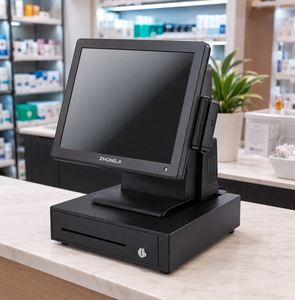
Explore why Windows POS terminals remain widely used in retail, hospitality and enterprise checkout environments.
詳細を見る
Learn about larger basket retail checkout self checkout with practical guidance on hardware selection, integration and deployment for retail and hospitality.
詳細を見る
小売業およびホスピタリティ業界向けに、ハードウェアの選定、統合、導入に関する実践的なガイダンスとともに、柔軟性に富んだ季節限定のレジ用タッチスクリーンPOSについてご紹介します。.
詳細を見る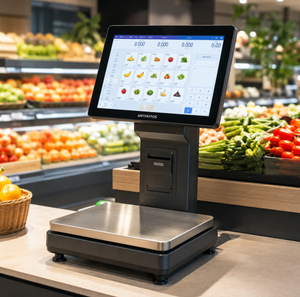
Understand how AI POS scales combine weighing, recognition and checkout functions to improve smart supermarket operations.
詳細を見る