 anypaypos









RECHERCHEZ CE QUE VOUS VOULEZ
Rechercher dans tout le siteProduitActualités
RECHERCHE
Installing a self-ordering kiosk does not automatically create a better restaurant experience. Customers still need to understand where to begin, how to select products, how to modify an order and what happens after payment.
The Restaurant Self Service Kiosk A21 supports self-service ordering, checkout, payment and receipt printing for restaurant and retail scenarios.
A restaurant menu designed for staff operation may not work well on a customer-facing kiosk. Customers need a clear starting point and an understandable sequence.
The interface can begin with major categories such as meals, drinks, snacks and desserts. Product photographs should accurately represent the available item. Important choices, including size, flavor and optional additions, should appear before the customer proceeds to payment.
The number of steps should be controlled. Excessive pop-up windows or repeated confirmation screens can slow the process. At the same time, the system should clearly show the selected products, quantities and total amount before the order is submitted.
For restaurants serving international customers, language selection can be placed near the beginning of the journey. The actual languages available depend on the software rather than the hardware alone.
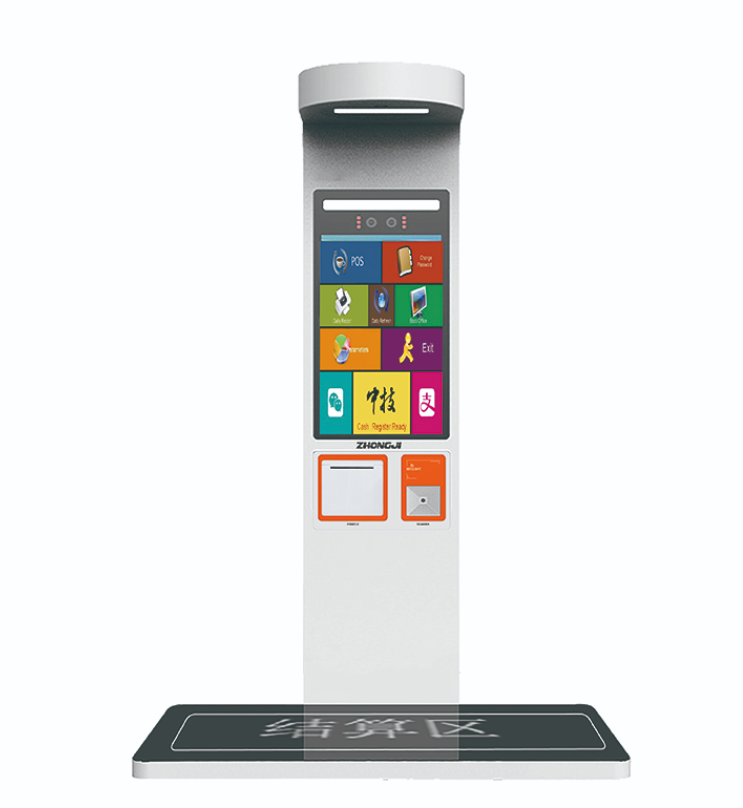
The A21 should be planned as part of the restaurant system. Once an order is submitted, the information may need to reach the kitchen display, receipt printer, order-management platform or pickup screen.
Restaurants should test the complete flow:
The customer selects the meal, confirms the order, completes the approved payment process, receives an order number and waits at the correct pickup point.
If any part of this chain is unclear, employees may need to manually correct orders, reducing the value of self-service.
Exception handling is also important. The restaurant should define what happens when a payment does not complete, an item becomes unavailable or the receipt printer runs out of paper.
The kiosk should be visible when customers enter, but it should not block the entrance. Enough space should be provided for customers to stand and make selections without interfering with other queues.
Restaurants may place menu displays above or beside the kiosk to help customers prepare before reaching the screen. Employees should also remain available to assist first-time users.
During busy periods, multiple kiosks may be placed in one ordering zone. Their position should guide customers naturally toward the pickup area after the transaction is completed.
The A21 becomes more valuable when the customer journey is designed before the hardware is installed. A clear menu structure, connected kitchen workflow, suitable store position and reliable exception-handling process can turn the kiosk into a practical ordering channel rather than an isolated screen.
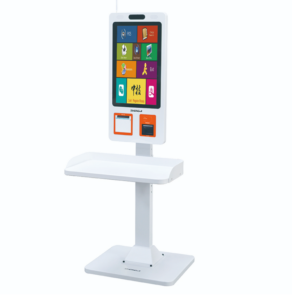
Explore how retailers can plan scanning space, customer flow, payment and staff support around the A12KT self-checkout kiosk.
Voir les détails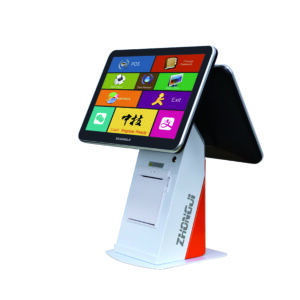
Les responsables d'achats dans le secteur de la vente au détail devraient comparer la conception de l'écran, l'agencement du comptoir, les besoins en matière de lecture des codes-barres et les processus de paiement avant de choisir un terminal de point de vente à écran tactile. Un terminal de point de vente à écran tactile est au cœur des opérations quotidiennes de caisse dans de nombreux projets de vente au détail et doit répondre...
Voir les détails
Découvrez comment le contrôle de l'assemblage, les tests fonctionnels, les vérifications de fonctionnement, le contrôle de l'aspect et l'emballage contribuent à garantir la qualité des terminaux de point de vente avant leur expédition.
Voir les détails
Découvrez comment ANYPAYPOS développe, assemble et teste des terminaux de paiement intelligents, à travers les étapes de conception des produits, de contrôle du matériel, de production et de contrôle qualité.
Voir les détails